
In a world captivated by rapid technological advancements and ever-changing trends, a fascinating counter-movement has emerged: a collective yearning for the past. This phenomenon is evident in the resurgence of vintage aesthetics in fashion, interior design, beauty, and pop culture. But what fuels this nostalgia? Is it simply a fondness for bygone eras, or does it reflect deeper psychological and societal currents?
The Psychology of Nostalgia: More Than Just Sentimentality
Nostalgia is a powerful emotional experience that connects us to our past, offering a sense of comfort, identity, and stability. According to psychology studies, nostalgia isn’t just a sentimental indulgence, it plays an essential role in mental well-being. Research from the University of Southampton found that nostalgic experiences can increase self-esteem, foster social connections, and even combat loneliness and anxiety.
During times of uncertainty, such as economic downturns, political shifts, or global crises, people tend to idealize the past, perceiving it as a simpler, more stable period. This explains why retro aesthetics and cultural revivals often gain momentum in times of upheaval. The longing isn’t necessarily for the past itself but for the feelings of security and familiarity it represents.
The Role of Media & Pop Culture in Vintage Resurgence
Nostalgic aesthetics don’t just appear organically, they are amplified by media and pop culture, which play a crucial role in keeping past eras alive in public consciousness.
Film & Television: Period dramas like Bridgerton have revived interest in Regency-era fashion, while shows such as Stranger Things have fueled a fascination with 1980s culture. Even contemporary films use vintage aesthetics to evoke emotional connections. La La Land blends old-Hollywood glamour with modern storytelling, creating a timeless yet contemporary appeal.
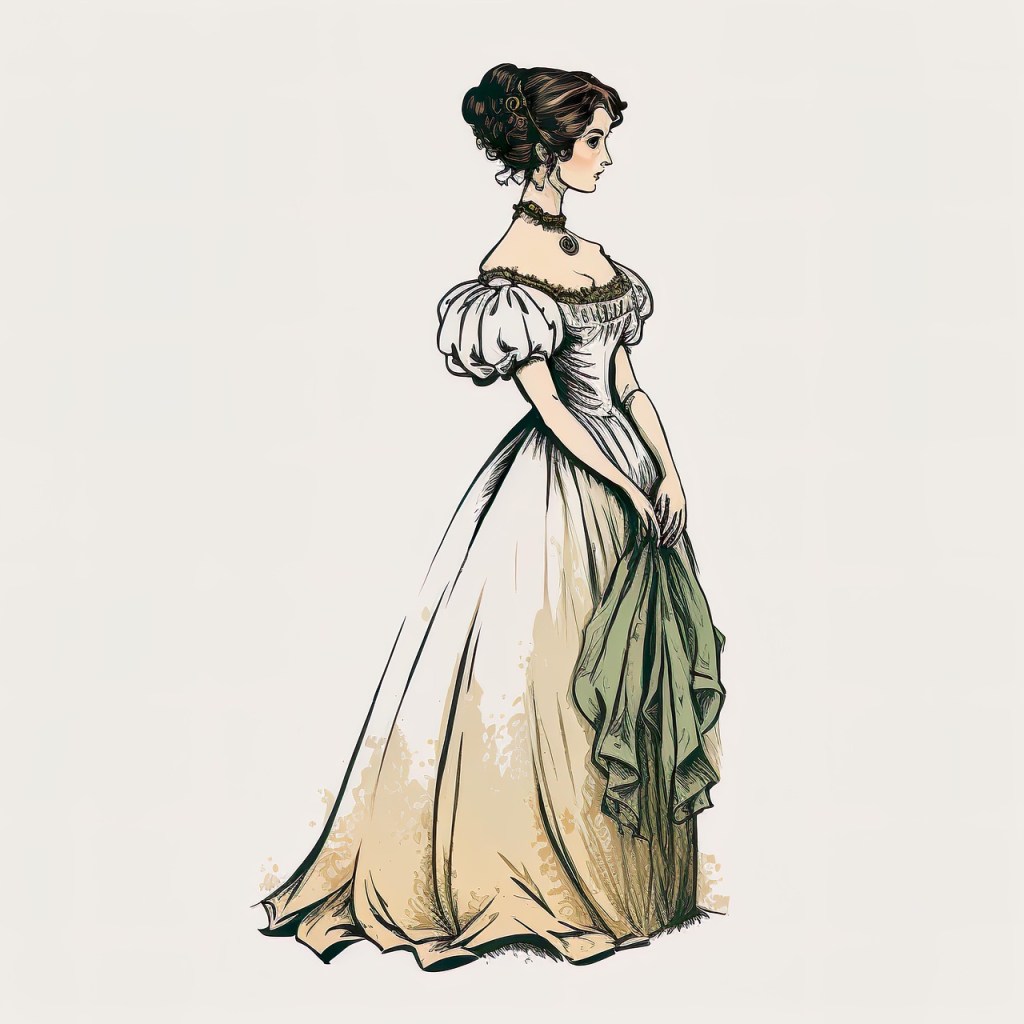
Image credit: Pixabay
Music & Vinyl Revival: The resurgence of vinyl records speaks to a collective longing for tangible, analog experiences in a digital world. Modern artists often infuse their music and visuals with retro influences, think of Anderson .Paak’s fusion of ’70s soul and funk with contemporary hip-hop or Lana Del Rey’s melancholic, vintage-Americana imagery.
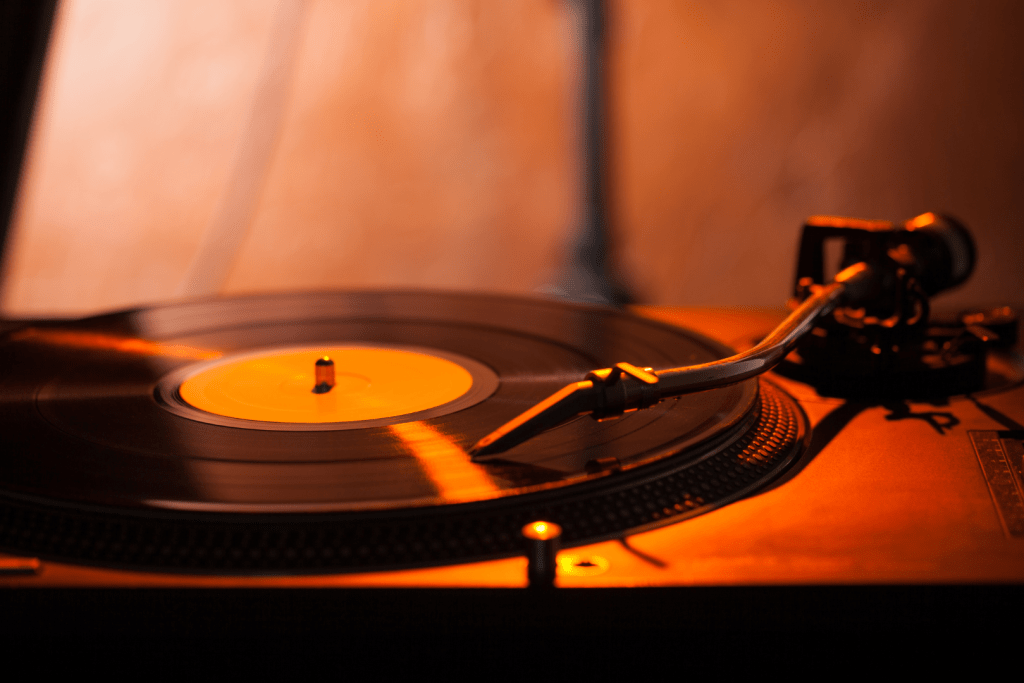
Image credit: Pixabay
Fashion: The cyclical nature of fashion ensures the return of vintage styles every few decades. Bell-bottom pants, puff sleeves, and the sleek silhouette of Adidas Sambas soccer shoes have all made comebacks, demonstrating how nostalgia shapes consumer preferences. Brands like Gucci and Miu Miu regularly incorporate retro elements into their collections, merging past and present in innovative ways.
Social Media Trends: The rise of cottagecore, dark academia, and Y2K fashion on platforms like TikTok and Instagram has brought vintage aesthetics to younger audiences. These trends blend nostalgia with modern self-expression, allowing users to craft their own idealized versions of the past.
The Digital Age and the Rise of Nostalgic Aesthetics
Ironically, our hyper-digital world has intensified the allure of vintage aesthetics. As digital fatigue sets in, people gravitate toward tangible, analog experiences, finding comfort in the textures, sounds, and rituals of the past.
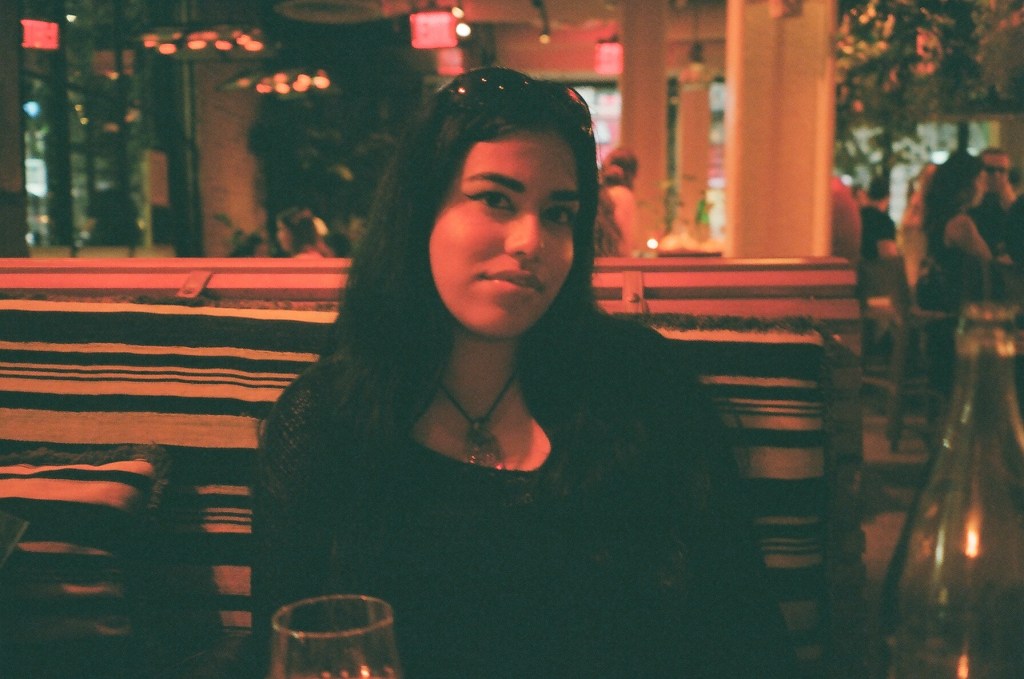
Polaroids & Film Photography: In an era where every moment is instantly captured on smartphones, the unpredictability of film photography has regained popularity. The warm tones and imperfections of film offer a sense of authenticity often lacking in digital images.
Retro Branding & Packaging: Many brands leverage vintage-inspired packaging to create a sense of trust and nostalgia. Coca-Cola, Levi’s, and even tech companies like Apple have revisited older logos and marketing styles to tap into this sentimentality.
Fashion & Beauty Revivals: ’90s and early 2000s beauty trends are making a comeback, from thin brows and brown lip liner to claw clips and beyond. This demonstrates how social media fosters nostalgia-driven revivals among younger generations who never experienced those trends firsthand.


Vintage in Fashion, Beauty, and Interiors: The Timeless Appeal
The charm of vintage aesthetics lies in their ability to transcend time. Whether through clothing, beauty trends, or home decor, vintage styles provide a connection to cultural history while allowing for creative reinterpretation.
Fashion
Vintage fashion is no longer just about thrifted treasures; it’s about reimagining the past for the present. Sustainable fashion movements have also played a role, as consumers embrace secondhand shopping to reduce waste. The rise of curated vintage boutiques online has made it easier than ever to find one-of-a-kind pieces from past decades.

Image credit: Pixabay
Beauty
Timeless beauty trends like classic red lipstick, winged eyeliner, and pin-up curls continue to endure because they offer elegance and sophistication that transcends fleeting fads. Modern beauty brands like Besame Cosmetics have capitalized on this by creating vintage-inspired products with a contemporary twist.
Interiors
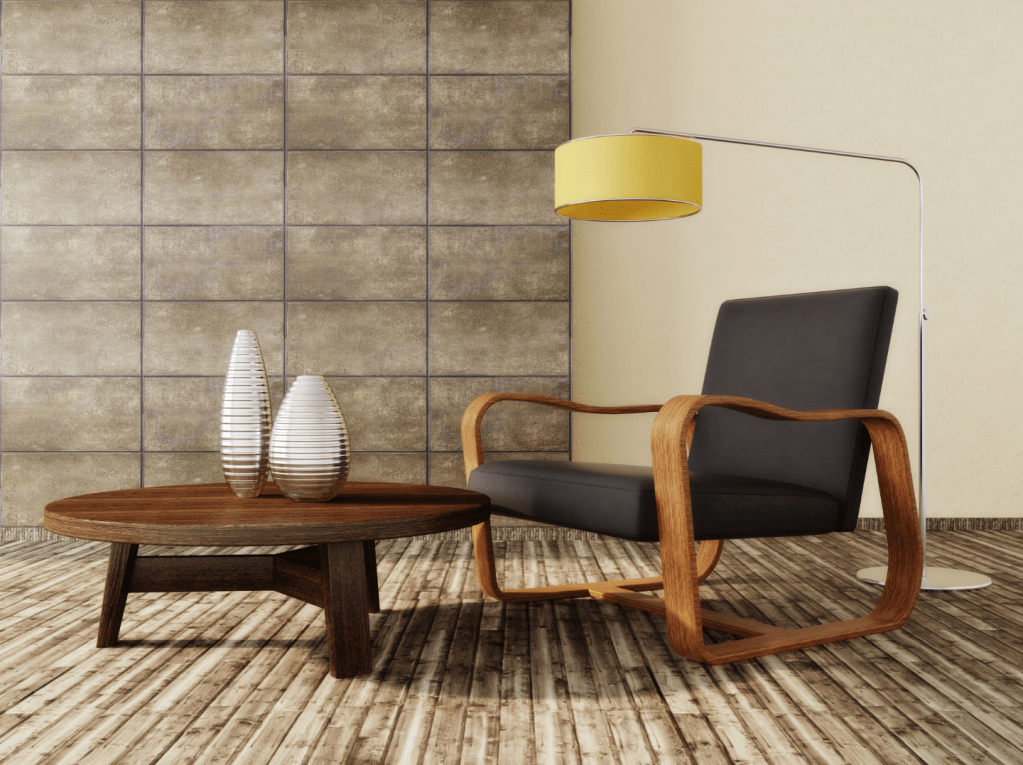
Vintage-inspired interiors have surged in popularity, with mid-century modern furniture, Art Deco influences, and thrifted decor becoming staples in modern homes. The fusion of old and new, such as pairing a sleek contemporary sofa with an antique mirror creates spaces that feel curated rather than staged.
The Marketing of Nostalgia: Brands Tapping into Sentiment
Nostalgia marketing is one of the most effective ways for brands to create emotional connections with consumers. By evoking memories and emotions, brands can cultivate loyalty and trust.
Nike & Reissued Sneakers: Nike frequently re-releases classic sneaker designs from the 1980s and 1990s, tapping into both collectors’ nostalgia and new generations’ curiosity about vintage styles.
Stranger Things x Coca-Cola: The return of “New Coke” as a promotional tie-in with Stranger Things was a genius example of nostalgia marketing, as it allowed older audiences to relive a moment in history while introducing younger fans to the infamous product.
Beauty Brands: Merit’s minimalist approach to makeup echoes the effortless beauty trends of the ’90s, often drawing inspiration from vintage editorial aesthetics, while Pat McGrath Labs often references old Hollywood glam in its campaigns.
Final Thoughts: Romanticizing the Past, Redefining the Future
Our collective fascination with vintage aesthetics is more than just a passing trend, it’s a reflection of our search for meaning, identity, and connection in an increasingly fast-paced world. While we may idealize the past, we also reinvent it, blending old influences with contemporary sensibilities to create something new.
By understanding why we romanticize the past, we can make more intentional choices about how we engage with nostalgia, whether through fashion, beauty, interior design, or digital content. Instead of merely longing for “the good old days,” we can embrace the best elements of past eras while forging a future that is just as stylish, meaningful, and innovative.


 Alisha Chauhan
Leave a comment