We are living in a culture increasingly shaped by the past. From fashion and beauty to branding and digital media, nostalgia has become one of the most powerful emotional drivers in modern marketing. In an oversaturated digital space, familiarity cuts through noise, turning memories into meaningful brand experiences.
The Nostalgia Edit is a content-driven exploration of this idea. Built at the intersection of culture, storytelling, and marketing, this project explores how nostalgia can be used not just as an aesthetic, but as a strategic tool to create emotionally resonant content and build deeper connections between brands and their audiences.
Project Overview
The Nostalgia Edit is a personal brand developed to explore how nostalgia can be translated into a strategic approach to content, storytelling, and brand building. Rather than treating nostalgia as a purely visual or aesthetic trend, this project positions it as a tool for creating emotional connection and cultural relevance in a modern digital landscape.
With a background in journalism and digital marketing, I approached this project through both a narrative and strategic lens, combining storytelling, visual direction, and content strategy to build a brand that is not only visually compelling, but conceptually grounded. The goal was to move beyond surface-level inspiration and instead examine how memory, emotion, and shared cultural references can shape how audiences engage with content.
The project focuses on developing a cohesive, multi-platform content ecosystem across blog, LinkedIn, and TikTok. Through a mix of long-form and short-form content, The Nostalgia Edit translates cultural insights into accessible, engaging formats, demonstrating how brands can use nostalgia intentionally to strengthen identity, build audience connection, and create more meaningful digital experiences.
Cultural Insight: Why Nostalgia Works
Nostalgia is more than a visual trend. It is a psychological and cultural response to the way people experience the present. In an increasingly fast-paced and digitally saturated world, audiences are constantly exposed to new content, making it more difficult for brands to capture and sustain attention. Nostalgia offers a sense of familiarity and emotional grounding, allowing people to reconnect with moments, aesthetics, and cultural references that feel personal and meaningful.
At its core, nostalgia works because it is tied to memory and identity. It reminds audiences of who they were, what they felt, and the experiences that shaped them. This emotional connection creates a sense of comfort and trust, making nostalgic content more likely to resonate and be remembered.
From a marketing perspective, nostalgia functions as a powerful tool for cutting through noise and building brand affinity. By referencing shared cultural moments through visual aesthetics, storytelling, or music, brands can create an immediate sense of recognition and emotional engagement. This not only increases attention, but also deepens the connection between brand and audience.
However, effective nostalgia is not about replication. It is about reinterpretation. The most impactful campaigns take familiar elements from the past and reframe them in a way that feels relevant to contemporary audiences. When used strategically, nostalgia becomes more than a stylistic choice. It becomes a way to create meaningful, emotionally resonant brand experiences. In this context, nostalgia is not just a reflection of the past. It is a strategic tool for shaping how audiences feel in the present.
Content Strategy Approach
Building on the insight that nostalgia drives emotional connection and familiarity, the content strategy for The Nostalgia Edit was designed to translate this concept into a cohesive, multi-platform experience. Rather than treating each platform as separate, the approach focuses on creating an interconnected content ecosystem where each format plays a distinct role in storytelling, education, and engagement.
The strategy is rooted in three key principles:
1. Multi-Platform Storytelling
To effectively engage audiences across different touchpoints, content was distributed across blog, TikTok, and LinkedIn, with each platform serving a unique purpose within the ecosystem. Long-form blog content provides depth, analysis, and educational value, while short-form video content on TikTok translates these ideas into accessible, visually engaging formats. LinkedIn reframes these same ideas through a more professional and strategic lens, connecting cultural observations to marketing insight and audience behavior. This approach allows a single concept to be explored in multiple ways, increasing both reach and retention.
2. Education Through Emotion
Rather than presenting information in a purely instructional way, content is designed to combine insight with emotional resonance. By grounding topics in nostalgia through familiar aesthetics, cultural references, or storytelling, educational content becomes more engaging and memorable. This approach reflects the idea that audiences are more likely to connect with and retain information when it evokes a feeling.
3. Content Repurposing and Narrative Consistency
Each content piece is part of a larger narrative rather than a standalone post. Long-form blog topics are repurposed into short-form videos, social posts, and visual content, ensuring consistency in messaging while adapting to platform-specific behaviors. This not only maximizes the value of each idea, but also reinforces brand identity through repetition and cohesion.
Translating Insight Across Platforms
To bring the strategy behind The Nostalgia Edit to life, content was designed as an interconnected system rather than a series of isolated outputs. Each core idea begins with a central insight, such as the emotional impact of nostalgia, and is then adapted across platforms to maximize reach, engagement, and depth.
Rather than duplicating content, each platform plays a distinct role in how the story is told, allowing the same concept to be experienced in multiple ways.
Long-Form Foundation: Blog Content
The blog serves as the foundation of the content ecosystem, where ideas are explored in depth. Long-form articles focus on cultural analysis, such as the role of nostalgia in modern marketing, offering both insight and context. This format allows for more thoughtful storytelling and positions the brand as a source of knowledge and perspective.
Short-Form Translation: TikTok
TikTok content translates these insights into short, engaging, and visually driven formats. Key ideas from blog posts are distilled into digestible moments through trend-based storytelling, visual comparisons, or quick breakdowns of nostalgic elements in modern media. This approach increases accessibility while maintaining the core message.
Professional Framing: LinkedIn
LinkedIn content reframes these same ideas for a more professional and industry-focused audience. Here, the emphasis shifts toward marketing insight by connecting cultural observations to brand strategy, audience behavior, and campaign relevance. This positions the content within a broader business context and demonstrates strategic thinking.
System Impact
By adapting a single idea across multiple platforms, this approach increases both reach and resonance. Audiences can engage with the content in different ways depending on platform behavior, whether through deeper reading, quick visual consumption, or professional reflection, while still experiencing a consistent narrative.
This system reinforces brand identity and demonstrates how content can be strategically repurposed to create a cohesive and impactful multi-platform presence.
Execution: Bringing the Strategy to Life
To demonstrate how the strategy behind The Nostalgia Edit translates into real content, a central idea was developed and executed across blog, TikTok, and LinkedIn. Each piece reflects a different layer of the content ecosystem, moving from cultural exploration to emotional storytelling and strategic framing.
Blog: Long-Form Cultural Exploration
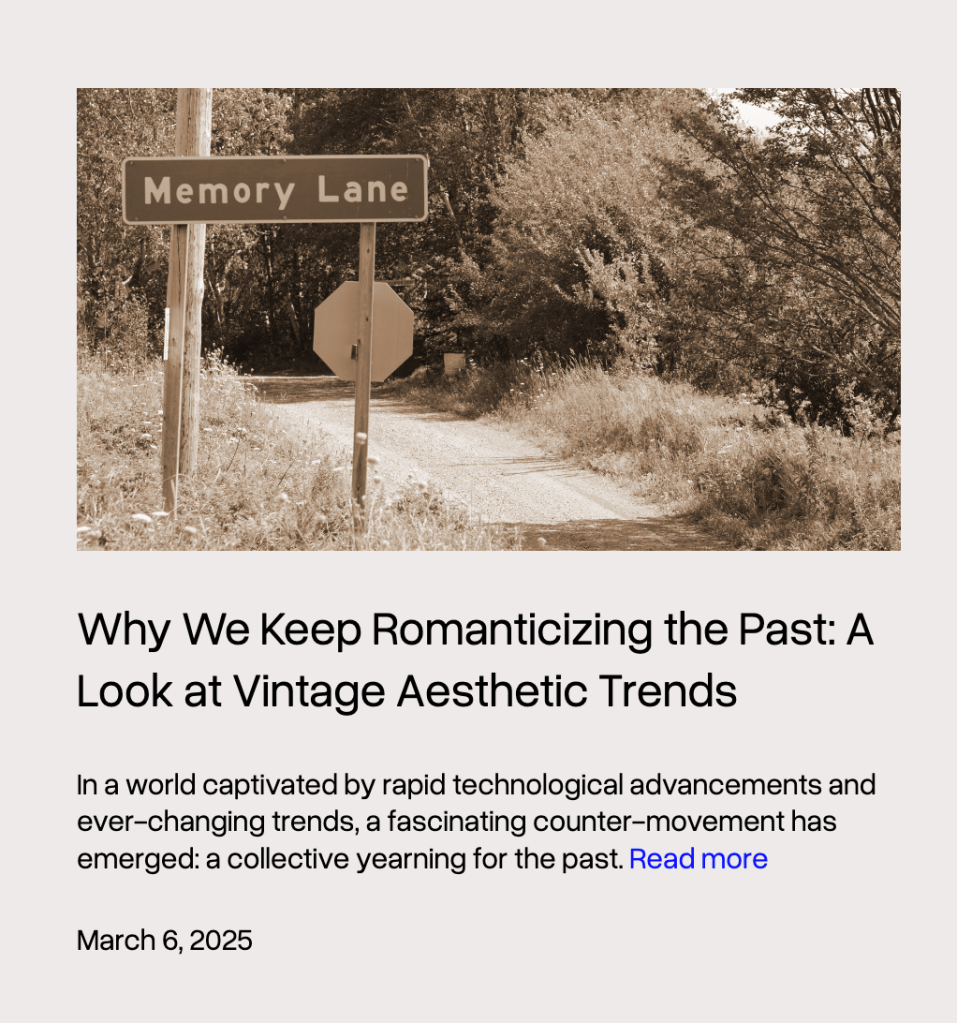
The blog serves as the foundation for this idea, exploring the resurgence of vintage aesthetics across fashion, beauty, interior design, and pop culture. Rather than presenting nostalgia as a surface-level trend, the article examines the deeper psychological and societal reasons behind it, questioning why people are increasingly drawn to the past in a fast-paced, technology-driven world.
By positioning nostalgia as a response to modern overwhelm, the blog creates a narrative that connects cultural observation with emotional experience. This establishes the core insight that informs all supporting content across platforms.
TikTok: Emotional Translation Through Visual Storytelling
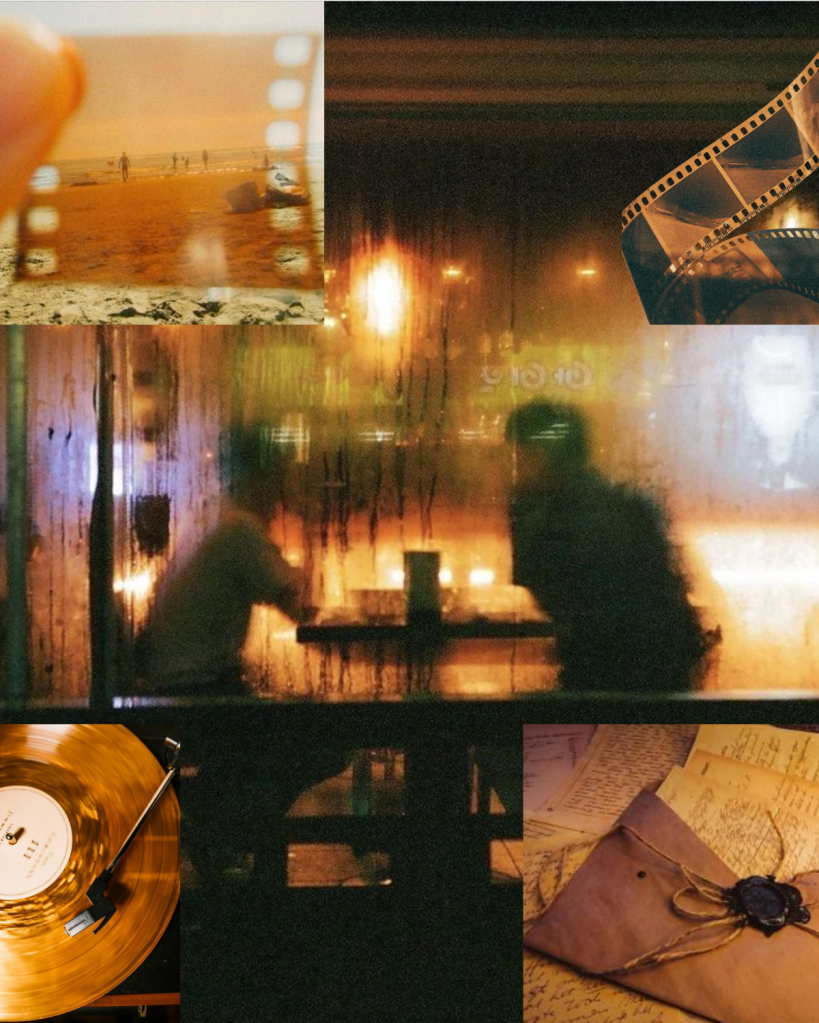
On TikTok, this idea is translated into a purely emotional and sensory experience. Instead of explaining nostalgia, the content is designed to make the audience feel it. Through a curated sequence of personal clips, nostalgic audio, and intentional editing, the video captures moments that feel familiar, intimate, and reflective.
This approach shifts from analysis to immersion. It allows viewers to project their own memories onto the content, creating a sense of connection without needing explicit explanation. The result is content that prioritizes feeling over information, reinforcing the idea that nostalgia is most powerful when it is experienced rather than described.
LinkedIn: Strategic Framing and Cultural Commentary
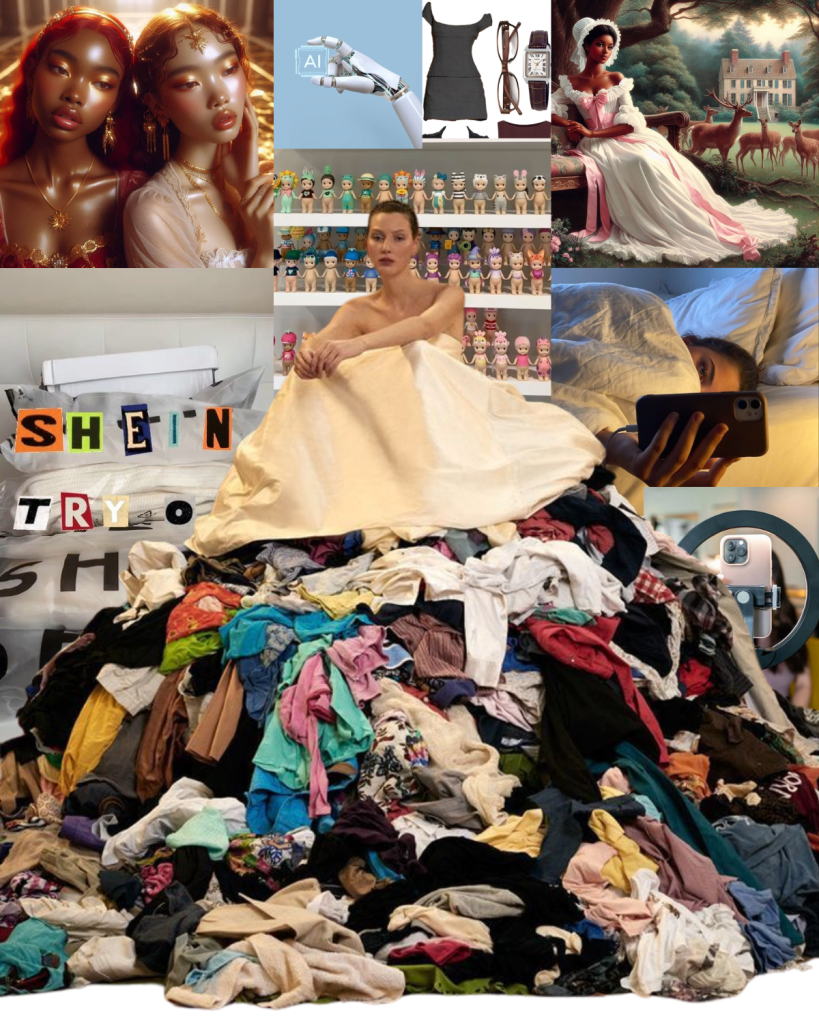
On LinkedIn, the same idea is reframed through a more direct and thought-provoking lens. The post, “Are We Nostalgic… or Just Overwhelmed?”, connects the rise of nostalgia to modern digital fatigue, referencing behaviors like doomscrolling, fast fashion consumption, and the growing presence of AI.
By contrasting “vintage calm” with “modern chaos,” the content positions nostalgia as a form of emotional escape, while also linking it back to broader cultural and marketing implications. This framing shifts the conversation from personal reflection to strategic insight, demonstrating how brands can tap into these tensions to create more meaningful and relevant campaigns.
Execution Outcome
By translating a single insight across multiple platforms, this approach creates a layered content experience that balances depth, emotion, and strategy.
- The blog explores the why behind nostalgia
- TikTok captures the feeling of nostalgia
- LinkedIn connects the idea to cultural and marketing relevance
Together, these pieces demonstrate how one concept can evolve across formats while maintaining a consistent narrative. This approach reinforces the idea that effective content is not only visually engaging, but also emotionally intentional and strategically grounded.

